This online repository is created to capture action-oriented teaching practices to Strengthen sustainable teaching with real-world tools, insights, and practices from the RCE Global Network—190+ members strong. Goal of this repository is to support efforts to move from knowledge to action, bridging global sustainability goals with classroom realities by providing best practices and examples on how educators are engaging learners in critical, creative and participatory ways.
Please note: The map is still being populated and currently shows only a selection of practices from the RCE Global Network. This repository is continuously expanding as new contributions are added from around the world
It is a long established fact that a reader will be distracted by the readable content of a page when looking at its layout. The point of using Lorem Ipsum is that it has a more-or-less normal distribution of letters, as opposed to using ‘Content here, content here’, making it look like readable English.
It is a long established fact that a reader will be distracted by the readable content of a page when looking at its layout. The point of using Lorem Ipsum is that it has a more-or-less normal distribution of letters, as opposed to using ‘Content here, content here’, making it look like readable English.
It is a long established fact that a reader will be distracted by the readable content of a page when looking at its layout. The point of using Lorem Ipsum is that it has a more-or-less normal distribution of letters, as opposed to using ‘Content here, content here’, making it look like readable English.
4 April 2025
News
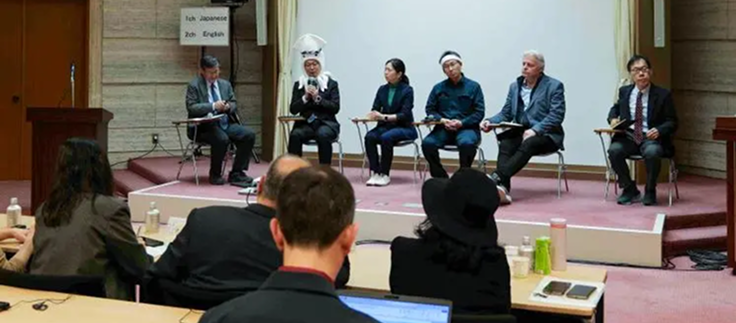
Symposium Discusses Disaster Recovery For Resilient Communities
The event highlighted post-disaster recovery efforts on Noto Peninsula, Japan, leveraging social, natural and cultural assets.